
Professional Office Shifting Services in chennai for Smooth Business Relocation Without Work Disruption
Moving an office requires a completely different level of planning compared to household relocation. A business move often includes workstations, computers, office furniture, confidential documents, storage units, electronic equipment, and team coordination. Even a small delay or handling mistake can affect daily operations, employee productivity, and customer communication.
At HMK Packers and Movers, our office shifting services in chennai are designed for businesses that want organized relocation without unnecessary disruption. Whether it is a startup workspace, a growing business office, a commercial unit, or a corporate setup, every move is planned with structure and responsibility.
From packing office equipment to setting up furniture at the new workspace, every stage is handled with practical planning. Our goal is not only to move office items safely, but also to help businesses resume operations faster.
Why Office Relocation Needs Business-Focused Planning
A workplace contains more than tables and chairs. It often includes computer systems, meeting room setups, storage cabinets, documents, network devices, and employee workstations. If these items are shifted without planning, the business may face delays, missing equipment, or setup confusion.
That is why office relocation should always begin with a structured movement plan. Understanding office layout, item categories, and business timing helps reduce interruptions during relocation.
At HMK Packers and Movers, every office move begins with understanding how the business works before the move starts.
- Workspace Review – Understanding office setup
- Asset Planning – Equipment movement strategy
- Department Mapping – Organized relocation flow
- Timeline Coordination – Business schedule planning
- Access Review – Entry and exit preparation
- Setup Planning – New office arrangement
Understanding Different Business Moving Needs
Not every office operates the same way. Some workplaces have only desks and laptops, while others manage servers, storage units, meeting rooms, or technical equipment. The relocation approach changes depending on the nature of the business.
Our team studies the office environment before planning the move. This helps identify which departments need priority movement and what equipment requires extra care.
This preparation helps businesses move with better clarity and less confusion.
- Startup Office Moves – Flexible workspace relocation
- Corporate Office Setup – Larger business shifting
- Commercial Unit Support – Professional relocation
- IT Workspace Movement – Technology-based handling
- Team Area Planning – Employee workspace shifting
- Storage Area Support – Organized file movement
Pre-Move Survey for Office Assets
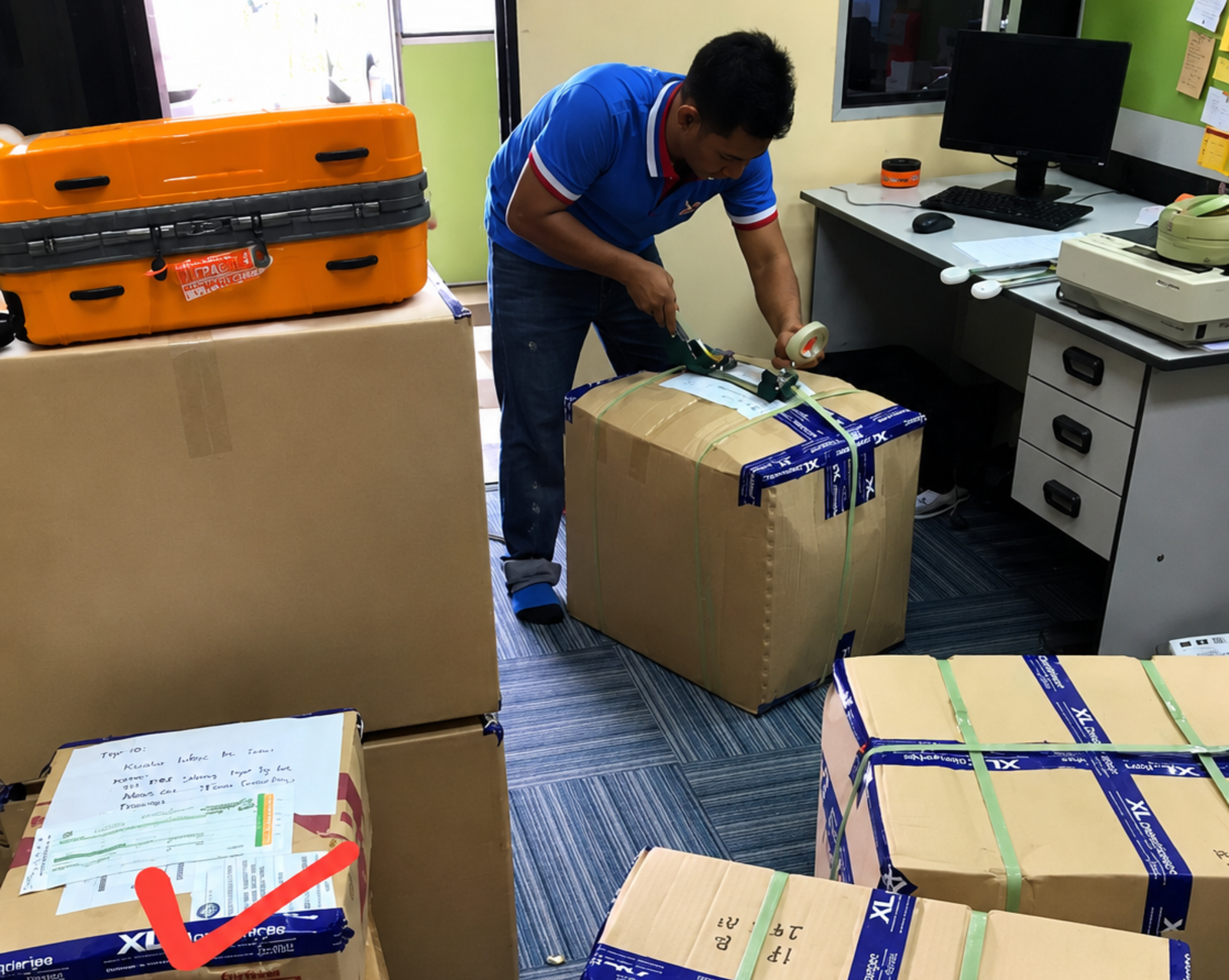
Before packing begins, understanding what needs to be moved is essential. Office furniture, technical systems, storage files, and workstations all require different handling.
Our team performs a detailed office survey before moving day. This includes furniture placement, equipment volume, lift access, parking conditions, and movement sequence planning.
This helps reduce operational disruption during relocation.
- Furniture Review – Office item assessment
- Equipment Study – Technical asset planning
- Document Area Check – File movement preparation
- Lift Access Review – Building movement planning
- Parking Coordination – Loading vehicle access
- Move Sequence Setup – Organized shifting order
Safe Packing for Office Equipment and Business Assets
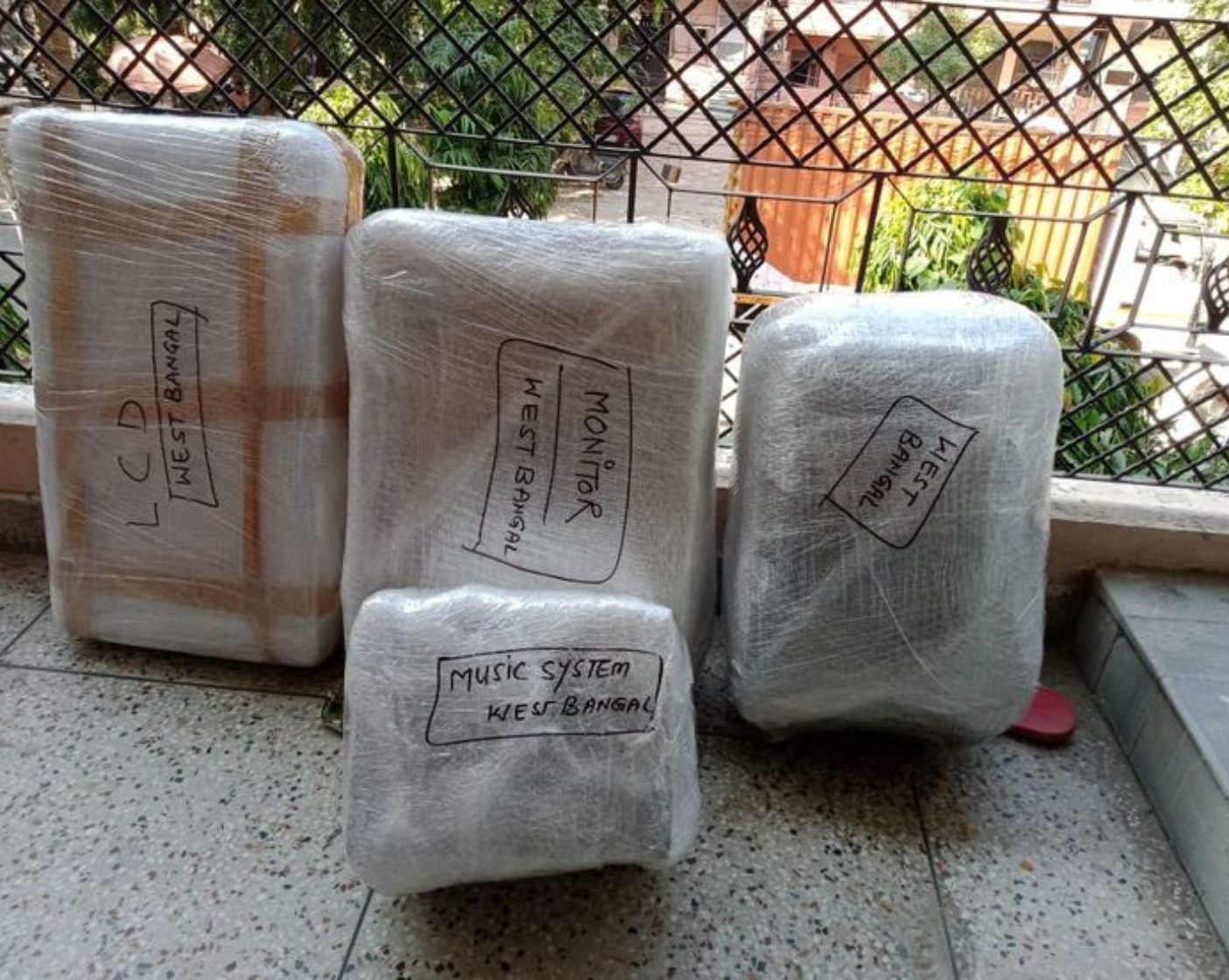
Office belongings often contain valuable equipment and business-sensitive materials. Computers, monitors, networking devices, printers, files, and meeting room items need careful packing before movement begins.
Our team uses packing methods based on the item type. Electronic equipment, workstations, documents, and furniture are prepared separately to maintain organization.
This helps businesses reopen faster after the move.
- Computer Packing – Device safety support
- Document Protection – Organized file handling
- Monitor Wrapping – Screen protection
- Printer Handling – Equipment safety care
- Furniture Covering – Surface protection
- Labeling Support – Faster setup guidance
Moving Workstations Without Affecting Daily Operations
In many offices, employee workstations are the center of daily productivity. Desks, monitors, keyboards, chairs, storage units, cables, and connected devices all work together as part of the team’s routine. If these areas are moved without order, restarting work at the new location can become difficult.
Our team plans workstation movement based on department layout and usage priority. Instead of moving everything randomly, we organize equipment in a way that helps teams resume work faster after relocation.
This structured approach helps businesses avoid confusion during reinstallation.
- Desk Identification – Organized workstation mapping
- Cable Management – Connection safety support
- Chair Movement – Office seating protection
- Device Grouping – Equipment organization
- Department Sorting – Team-based relocation
- Reinstallation Planning – Faster work resumption
Handling Office Furniture with Care
Office furniture is often larger, heavier, and more complex than home furniture. Conference tables, filing cabinets, reception desks, cubicles, shelves, and storage systems all need careful handling during relocation.
Before moving begins, our team studies furniture size, material type, and placement inside the office. Some pieces may need dismantling, while others may be moved in protected form depending on access conditions.
This helps maintain the condition of office assets during the move.
- Cubicle Handling – Partition movement support
- Cabinet Protection – Storage unit safety
- Meeting Table Support – Large furniture care
- Reception Desk Movement – Front office handling
- Shelf Protection – Surface safety support
- Furniture Reassembly – Workspace setup support
Shifting Computers and Sensitive Equipment
Technology plays a major role in most offices. Computers, monitors, routers, backup systems, printers, and network equipment often carry important business data and operational value.
Our team handles technical equipment with extra attention. Each device is packed, labeled, and organized according to department or usage category before movement begins.
This makes reconnecting systems at the new office more efficient.
- Desktop Handling – System protection
- Monitor Safety – Screen movement care
- Router Packing – Network equipment support
- Printer Transport – Device safety handling
- Cable Labeling – Organized reconnection
- Equipment Sorting – Department-based setup
Weekend and After-Hours Office Relocation
Many businesses cannot pause operations during regular working hours. Meetings, client calls, employee schedules, and project deadlines often make weekday shifting difficult.
To support these business needs, our office relocation planning can be aligned with lower activity periods such as weekends or after-office hours. This helps reduce interruption to daily workflow.
A flexible moving schedule often makes business relocation much easier.
- Weekend Planning – Reduced office disruption
- Evening Coordination – After-hours movement
- Team Scheduling – Business-friendly timing
- Project Awareness – Workflow protection
- Priority Department Moves – Critical area support
- Time Management – Faster move execution
Office Relocation Workflow in chennai
| Relocation Stage | What Our Team Handles | Business Benefit |
|---|---|---|
| Workspace Review | Studies office layout, equipment zones, and movement priorities before shifting begins | Helps build a structured moving strategy |
| Asset Packing | Computers, furniture, files, and workstations are packed based on department needs | Keeps office assets organized during movement |
| Equipment Labeling | Devices, cables, files, and furniture sections are clearly identified | Makes setup faster at the new office |
| Controlled Loading | Office items are loaded based on weight, sensitivity, and placement sequence | Supports safer transport |
| Delivery Coordination | Items are moved according to planned arrival and department order | Reduces business downtime |
| Workspace Setup | Furniture and equipment are placed based on office layout guidance | Helps teams resume operations faster |
Protecting Business Files and Important Documents
Every office stores documents that support daily business activities. Client agreements, employee records, financial papers, project files, contracts, printed reports, and operational documents all need proper handling during relocation. If files are packed without order, searching for them after the move can waste valuable working hours.
Our team separates documents based on department, storage type, and business priority before packing begins. Instead of mixing records with office supplies or equipment, files are prepared in a way that supports faster access after the move.
This organized document handling helps businesses restart operations without unnecessary delays.
- File Category Sorting – Better document organization
- Department Labeling – Easy record access
- Archive Handling – Stored file protection
- Cabinet Preparation – Organized movement support
- Paper Safety Packing – Structured document care
- Priority File Placement – Faster retrieval support
Managing Conference Room and Shared Workspace Assets
Meeting spaces often contain large tables, presentation systems, chairs, display units, whiteboards, and communication equipment. These areas usually support important discussions, client presentations, and team collaboration, so every item needs careful planning before movement.
Our team reviews conference room layouts before shifting begins. Larger furniture pieces, mounted displays, cable systems, and collaborative tools are moved with organized handling based on the office setup.
This helps businesses recreate their meeting spaces more efficiently after relocation.
- Meeting Table Movement – Large furniture support
- Chair Arrangement Planning – Seating organization
- Display Equipment Handling – Screen safety support
- Cable Management – Organized reconnection
- Presentation Asset Packing – Device protection
- Workspace Reset Planning – Faster setup support
Commercial Relocation Without Workflow Confusion
A business move should not create operational confusion for employees. If departments are moved without sequence, teams may struggle to find equipment, files, or daily-use tools when work begins again.
Our relocation planning focuses on moving departments in an organized order. Teams that handle daily business operations, customer support, or technical work can be prioritized based on business needs.
This structured approach helps companies return to normal operations more smoothly.
- Department Scheduling – Team-based movement
- Priority Workspace Planning – Critical zone relocation
- Operational Flow Support – Business continuity focus
- Asset Grouping – Organized item movement
- Team Coordination – Better workplace transition
- Setup Sequence – Faster business restart
Building Access and Workspace Movement Challenges
Office shifting often involves commercial buildings, shared elevators, basement parking, security entry points, and limited loading zones. Without planning, these building conditions can create delays or movement difficulties.
Our team studies these access points before moving day. Entry timings, lift availability, parking space, and loading areas are reviewed in advance to create smoother movement.
This preparation helps avoid last-minute interruptions during relocation.
- Lift Timing Review – Building access planning
- Parking Coordination – Loading area support
- Security Entry Planning – Commercial access management
- Floor Movement Strategy – Office navigation support
- Shared Space Awareness – Controlled relocation
- Exit Route Planning – Organized movement flow
Supporting IT and Technical Office Setups
Some businesses depend heavily on technology for daily operations. Workstations, network systems, storage devices, routers, backup units, and connected systems need specialized movement planning during office relocation.
Our team prepares these technical setups separately from general office furniture. Devices are identified, grouped, and packed according to workspace requirements before transport begins.
This helps technical teams restore operations more efficiently after the move.
- System Identification – Technical asset mapping
- Network Device Handling – Connectivity equipment care
- Backup Device Support – Data storage movement
- Cable Organization – Faster reconnection
- Workstation Grouping – Team-based setup
- Technical Equipment Packing – Device safety planning
Helping Teams Restart Work Faster After Relocation
One of the biggest concerns during office relocation is how quickly employees can return to their regular workflow. A workplace may have moved successfully, but if desks, systems, files, or shared resources are not arranged properly, the business can still face delays after relocation.
Our team focuses not only on moving office assets, but also on helping the workspace feel operational again. Items are arranged based on department priorities, workspace layout, and business requirements instead of random placement.
This organized setup helps teams settle faster and return to productive work with less confusion.
- Department Placement – Organized workspace setup
- Team Zone Arrangement – Better workflow support
- Essential Equipment Priority – Faster work access
- Furniture Positioning – Functional office layout
- Shared Resource Setup – Easier collaboration
- Workspace Readiness – Smoother business restart
Why Businesses in chennai Choose HMK for Office Relocation
Businesses usually choose a relocation partner based on trust, organization, and the ability to move without unnecessary disruption. A workplace contains valuable equipment, important records, and team resources that directly affect business continuity.
At HMK Packers and Movers, every office shifting project is handled with practical planning, workplace understanding, and careful coordination. We focus on structured movement instead of rushed relocation.
Whether it is a small business workspace, a growing office, or a larger corporate setup, the goal remains the same—move safely, set up efficiently, and help the business continue with confidence.
- Business-Focused Planning – Workplace-first approach
- Structured Team Coordination – Organized relocation flow
- Asset Protection – Equipment safety support
- Flexible Scheduling – Business-friendly timing
- Local Access Knowledge – Better movement planning
- Reliable Completion – Professional relocation support
Move Your Office Without Disrupting Your Business
An office relocation should support growth, not create operational pressure. If you are searching for reliable office shifting services in chennai, HMK Packers and Movers provides organized business relocation support built around real workplace needs.
From workstations and office furniture to business documents and technical equipment, every asset is moved with planning, attention, and responsibility. Our goal is to help your team move smoothly and return to work with confidence.
Give your business a smoother move with the right relocation support.
Frequently Asked Questions
Can office shifting be planned during weekends?
Yes, office relocation can be scheduled during lower activity periods such as weekends to reduce work interruption.
Do office movers handle computers and technical equipment?
Yes, office systems, monitors, routers, and other technical devices can be packed and moved with organized handling.
Can office furniture be dismantled and set up again?
Yes, selected office furniture can be prepared for movement and arranged again based on workspace needs.
How can businesses reduce disruption during relocation?
A structured movement plan, department-based scheduling, and organized setup usually help reduce workflow interruption.
Are business documents handled separately during office relocation?
Yes, files and important records are usually grouped and prepared separately for better organization.